
In the previous article, we used the scenario of a porter carrying a shoulder pole load to establish a basic cognitive framework for gasket deformation. Today we focus on creep, a core performance indicator, and further interpret its principles, calculation methods and practical manifestations on gaskets with the same porter analogy.
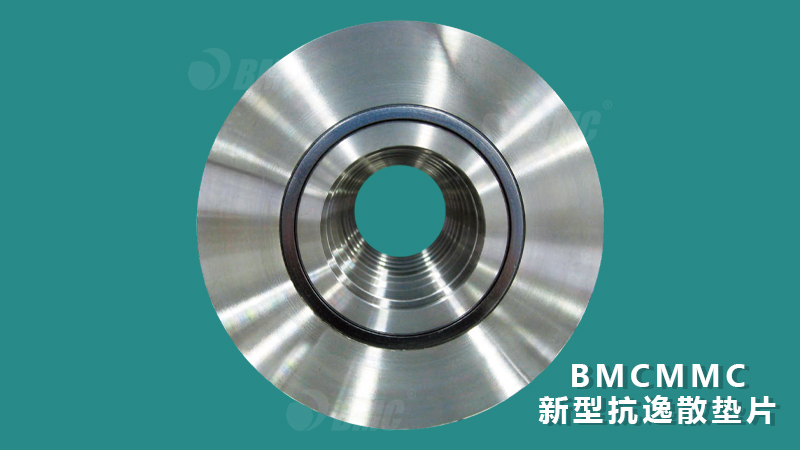
Creep occurs widely in all types of sealing gaskets and is a critical factor affecting the long-term stability of flange sealing assemblies, making it essential knowledge for sealing engineering professionals.
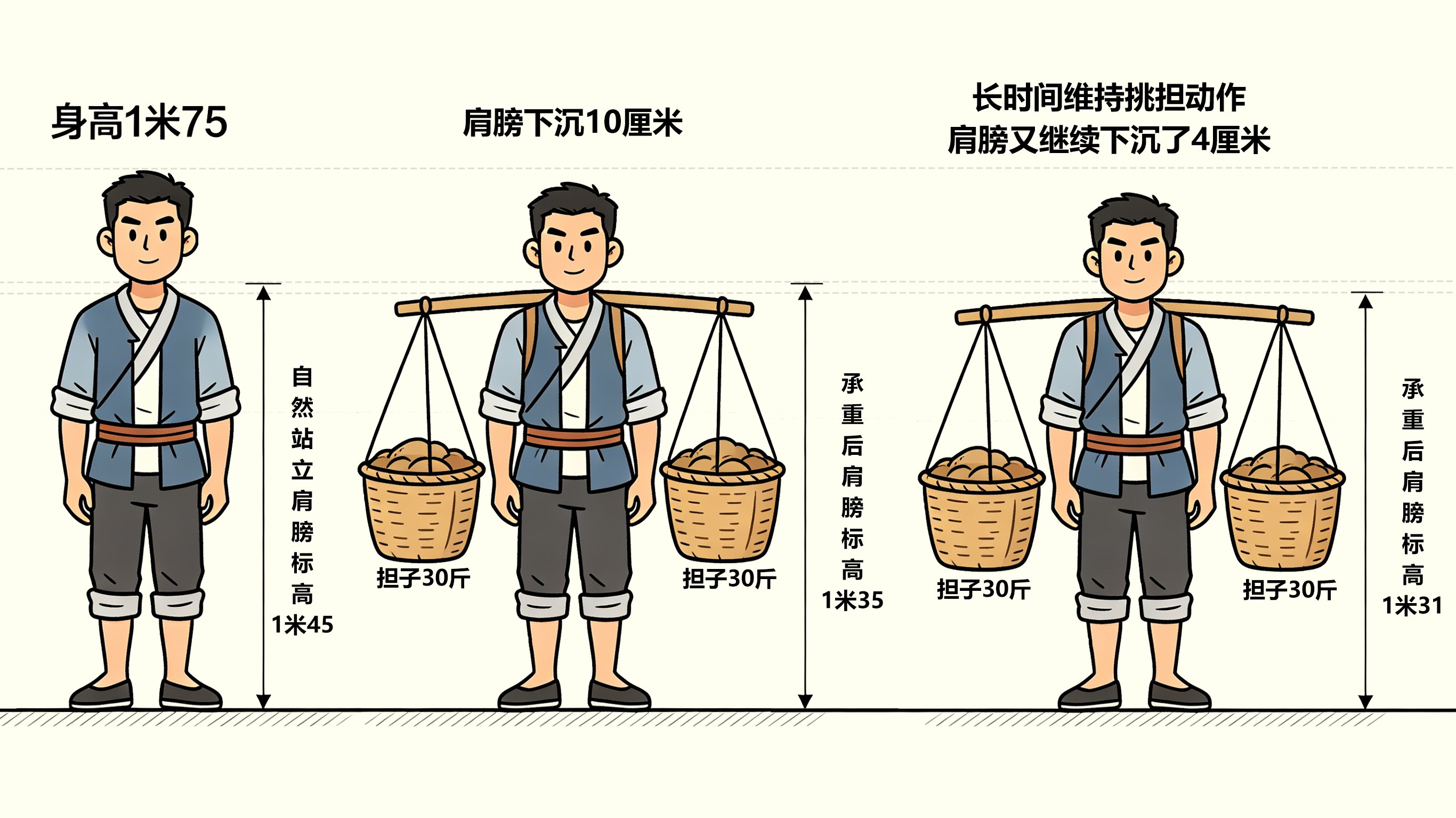
To continue our earlier scenario: A porter carries a total load of 60 kg. His shoulder sinks by an initial 10 cm, bringing the reference elevation down to 1.35 meters. With a constant load maintained, the porter holds the load for an extended period, and his shoulder sinks an additional 4 cm. We can quantify creep severity via numerical data: the subsequent 4 cm of sinking accounts for 2.76% of the original elevation, and this value is the creep rate corresponding to the deformation. This phenomenon of continuous shape change under constant load is the classic definition of creep.
Translating to industrial applications: After flanges and gaskets are fully assembled, the bolt preload remains steady, equivalent to the porter’s unchanging load—this forms a constant-load working condition. Under sustained compressive stress, the gasket’s thickness gradually reduces with slow continuous deformation, mirroring the porter’s steadily sagging shoulder. Once creep develops in the gasket, the contact condition between sealing surfaces deteriorates progressively. Excessive creep will compromise the overall sealing integrity of equipment.
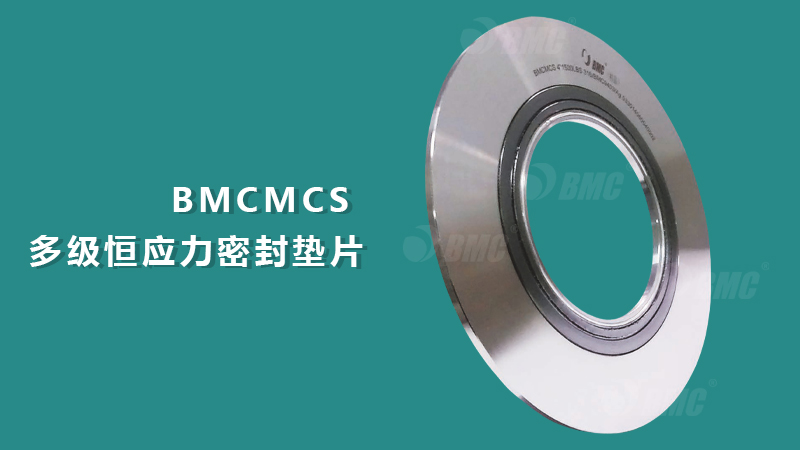
During industrial material selection and on-site operation & maintenance, engineers prioritize evaluating gaskets’ creep resistance to ensure stable operation of sealing systems.
Ingenious Seal Mastery
For sealing leakage issues, Baohua provides solutions. If you have any doubts about sealing technology, please pay attention to Suzhou Baohua and feel free to consult, comment, or leave a message! Thank you! We will continue the discussion on the porter analogy, creep and relaxation in the next issue.See you next time!


 Email:[email protected]